
Romance Scam
How scammers build fake relationships online to gain trust - then exploit it for money
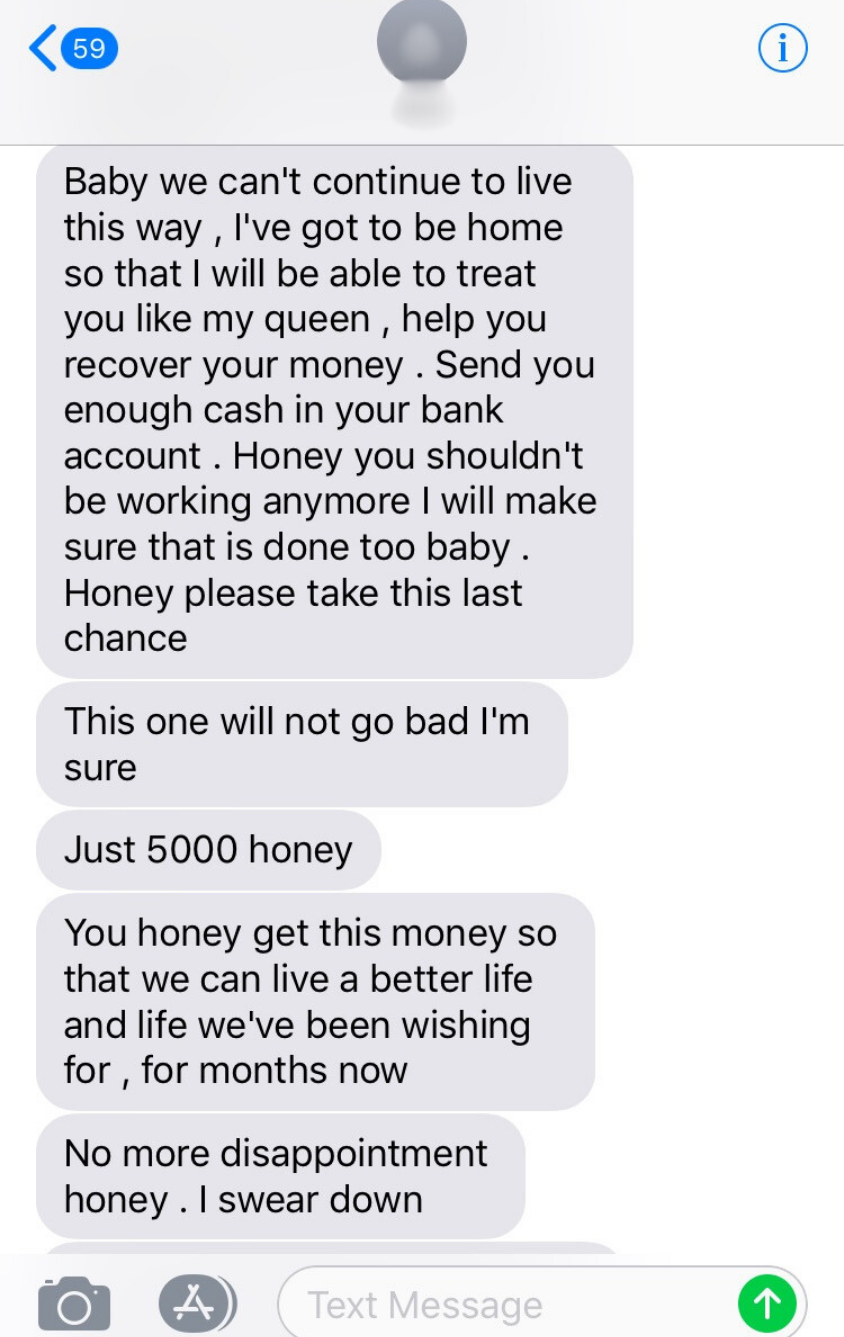
Romance scammers spend weeks or months building genuine-feeling emotional connections before ever asking for money. By the time a request comes, the victim feels a deep bond with someone who does not actually exist.
In This Guide
Overview of the Scam
A romance scam occurs when a fraudster creates a fake identity on a dating site, social media platform, or messaging app and uses it to build a romantic relationship with someone - with the sole intention of eventually asking for money. The persona is fictional, the photos are stolen, and the emotional connection, however real it feels to the victim, is entirely manufactured.
What makes romance scams particularly damaging is the time investment involved. Scammers do not rush. They may spend weeks or months building trust, exchanging daily messages, sharing personal stories, and creating the feeling of a genuine, loving relationship before a financial request ever surfaces. By the time money is mentioned, the victim has developed a deep emotional bond with a person who does not exist.
Romance scams are among the most financially devastating forms of fraud. The FTC has consistently reported them as one of the top categories of consumer loss, with victims losing billions of dollars collectively each year. The emotional harm compounds the financial loss, and many victims feel too embarrassed to report what happened.
How the Scam Works
Romance scams follow a consistent structure even when the specific story varies. Understanding the pattern makes it much easier to recognize.
- The scammer creates a profile on a dating app, social media platform, or sends a direct message claiming to have found you through a mutual contact or by accident. The profile typically uses photos of an attractive, successful-looking person - often stolen from a real person's social media account without their knowledge.
- The scammer moves quickly to establish a personal connection. They are attentive, romantic, and interested in everything about you. They often claim to be working abroad - a military member deployed overseas, a doctor on an international assignment, an engineer on an oil rig - which explains why they cannot meet in person.
- Over days and weeks, the relationship deepens through frequent messages and sometimes phone calls. The scammer learns your vulnerabilities, your financial situation, your family dynamics, and what you are looking for in a partner - and mirrors it all back to you.
- A crisis emerges. The scammer needs money urgently - a medical emergency, a plane ticket to finally come visit you, a problem with a business deal, a customs fee to release a package. The request is framed in a way that ties the financial help to the relationship: helping them is an act of love.
- Once money is sent, the crisis resolves temporarily - then a new one appears. This cycle continues as long as the victim is willing and able to send money. When the victim runs out of funds or becomes suspicious, the scammer typically disappears.
Common Variations
While the emotional manipulation is consistent, romance scams take several distinct forms.
- Military romance scam: The scammer claims to be a soldier or officer deployed abroad. Military members are frequently impersonated because deployment explains why they cannot video chat clearly, cannot meet in person, and may need financial help with fees or travel arrangements the military supposedly does not cover.
- Oil rig or remote worker scam: The scammer claims to be an engineer, contractor, or businessman working on a remote project overseas. The isolation explains limited contact and eventual requests for money to resolve work-related crises.
- Widower or recent divorcee scam: The scammer portrays themselves as someone who has experienced loss and is ready to love again - appealing to people who have also experienced loss and feel a shared emotional bond.
- Pig butchering hybrid: A newer version in which the romantic relationship is also used to introduce a fake investment opportunity - cryptocurrency trading, usually - that eventually steals much larger sums. This variation is covered in more detail in our Pig Butchering Scam guide.
- Social media direct message version: Rather than meeting on a dating platform, the scammer sends a direct message on Instagram or Facebook claiming to have stumbled across your profile or mistakenly contacted you. The relationship then develops through those platforms.
Example Scam Messages or Pop-Ups
The example below shows the type of messages used in a romance scam once the relationship is established and the financial request begins. Notice how the emotional framing makes the request feel like a natural part of the relationship rather than a suspicious demand.
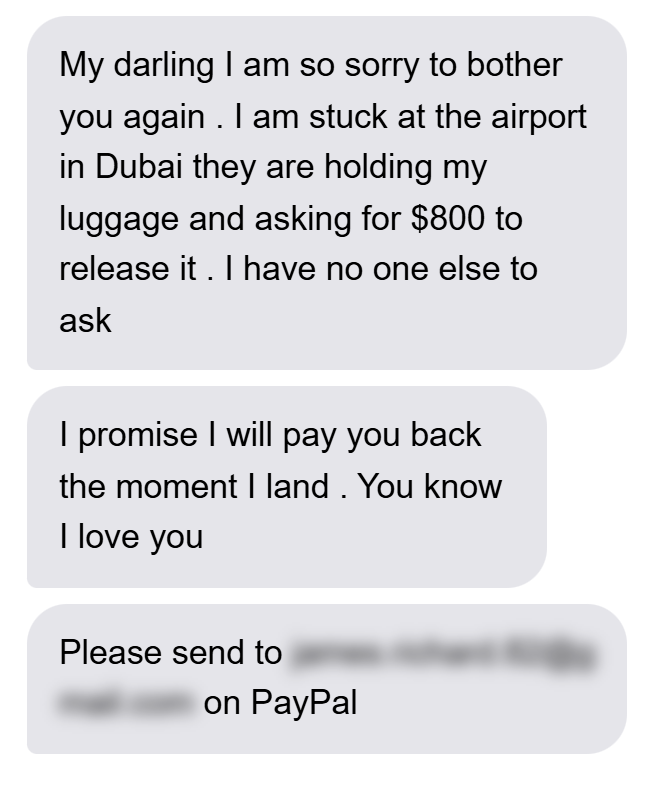
The messages are warm, personal, and emotionally charged. The request for money is framed as a temporary problem in an otherwise loving relationship - not as what it actually is, which is the entire purpose of the relationship from the scammer's perspective. The person being manipulated has no reason to doubt at this stage because weeks or months of trust-building have preceded this moment.
Common message patterns include: expressing that you are the most important person in their life and they just need one more week before they can be with you, describing a sudden medical emergency or accident that requires immediate funds to treat, asking you to receive a wire transfer on their behalf and forward it, or telling you they have a gift or inheritance being held at customs that requires a release fee.
Warning Signs
These are the signals most consistently associated with romance scams, even when the emotional connection feels completely genuine.
- You met online and the relationship progressed very quickly - declarations of strong feelings within days or weeks, moving from a dating platform to private messaging almost immediately.
- The person claims to be working abroad and cannot meet in person. They always have a reason why meeting, or even a clear live video call, is not possible right now.
- Their profile photos look unusually professional or attractive. A reverse image search on their photos reveals the images belong to someone else entirely.
- Their life story sounds almost too good - a successful career, a tragic loss that makes them sympathetic, a desire for a serious committed relationship that matches yours almost exactly.
- Any request for money, regardless of how it is framed. Especially via wire transfer, gift cards, cryptocurrency, or a money transfer app - methods that cannot be reversed.
- They ask you to move the conversation off the original platform quickly - from a dating site to WhatsApp or email - which removes the platform's ability to flag or detect scam behavior.
- They become evasive or change the subject when you ask specific questions about their life, work, or location.
- They discourage you from telling friends or family about the relationship, framing it as wanting to keep something private and special rather than as the isolation tactic it is.
Who Scammers Often Target
Romance scams affect people across all age groups, but older adults - particularly those who are widowed, divorced, or living alone - are disproportionately targeted. People who are experiencing loneliness, who have recently lost a spouse, or who are re-entering the dating world after many years are more likely to be approached and more vulnerable to the emotional manipulation.
That said, romance scams have affected people in their 30s, 40s, and 50s as well. Intelligence and caution are not reliable protections - these scams are run by professional operators who study human psychology and know exactly what emotional needs to exploit. Many victims describe themselves as people who would "never fall for a scam" before it happened to them.
People who are active on social media or dating apps and whose personal information, relationship status, and life circumstances are publicly visible are more easily targeted and profiled before first contact is even made.
What the Scammer Is Trying to Achieve
The goal is money, and in romance scams the amounts are typically large. Because the emotional investment is significant and built over time, victims often send much more than they would in other types of fraud - sometimes draining savings accounts, retirement funds, or taking out loans to help someone they believe loves them.
In some variants, scammers also seek to extract personal information that can be used for identity theft, or to use the victim as an unwitting money mule - asking them to receive and forward funds that turn out to be proceeds from other crimes.
The scale of losses can be extraordinary. Some victims have lost hundreds of thousands of dollars. The financial harm is compounded by the emotional devastation of learning that a relationship they genuinely valued was fabricated from the start.
What To Do If You Encounter This Scam
If you suspect an online relationship may be a romance scam, these steps can help you assess the situation safely.
- Do a reverse image search on their profile photos using Google Images or TinEye. If the photos appear under a different name or on unrelated websites, the profile is almost certainly fake.
- Ask to do a live, unscripted video call. Scammers typically cannot produce real-time video of the person whose photos they are using. Request something specific - like holding up a handwritten note - that cannot be faked with pre-recorded footage.
- Talk to someone you trust about the relationship. Romance scam victims often keep the relationship private because the scammer encouraged it. Describing the situation to a friend or family member from the outside often reveals how it sounds - and what questions have not been answered.
- Never send money to someone you have not met in person, regardless of how strong the emotional connection feels or how urgent their need seems. This is the clearest protection against romance fraud.
- If you have already sent money and are now suspicious, stop all contact, do not send more, and report the situation to the FTC at ReportFraud.ftc.gov and to the platform where you met.
How To Prevent Romance Scams
These habits can help you recognize a romance scam before emotional investment makes it harder to see clearly.
- Always reverse image search profile photos early in any online relationship. This takes less than a minute and is the fastest way to identify a stolen profile image.
- Be cautious of relationships that progress very quickly. Genuine connections develop over time. If someone online is expressing intense love or commitment within days or weeks, slow down and pay attention to that pace.
- Never send money to someone you have not met in person. This rule alone prevents the financial harm of romance scams, even if a fake relationship has already developed.
- Keep friends and family informed about new online relationships. If you find yourself keeping the relationship secret, ask yourself why - and whether that instruction came from the other person.
- Be especially skeptical of profiles that describe an overseas job that prevents in-person meetings. This is one of the most common cover stories in romance fraud.
- Trust your instincts. If something feels slightly off - the messages seem too perfect, the photos seem too polished, the story has small inconsistencies - give yourself permission to investigate before investing more emotionally or financially.
Final Safety Advice
Romance scams cause harm that goes far beyond financial loss. The experience of discovering that a relationship you valued deeply was manufactured from the start can be profoundly disorienting and painful. The grief that follows is real, even though the relationship was not.
It is important to understand that falling for a romance scam is not a sign of weakness or gullibility. These operations are run by teams of professional manipulators who spend hours every day studying how to make their personas convincing and how to identify and exploit emotional vulnerabilities. Many intelligent, careful people have been affected.
The clearest protection is the rule about never sending money to someone you have not met in person - regardless of how real and meaningful the connection feels. If a relationship is genuine, a request to meet before any financial help is extended will not end it. If the relationship cannot withstand that request, that tells you something important.
If you have been affected by a romance scam, please report it. Many victims do not report because of shame, but every report helps authorities understand patterns, warn others, and in some cases pursue the people responsible.