
Pig Butchering Scam
How scammers spend weeks building your trust - then use it to drain your savings through a fake investment platform
The name "pig butchering" comes from the idea of fattening a pig before slaughter - scammers invest significant time building trust and emotional connection before introducing the investment that will ultimately take everything the victim is willing to put in.
In This Guide
- Overview of the Scam
- How the Scam Works
- Common Variations
- Example Scam Messages or Pop-Ups
- Warning Signs
- Who Scammers Often Target
- What the Scammer Is Trying to Achieve
- What To Do If You Encounter This Scam
- If You Already Paid or Shared Information
- How To Prevent Pig Butchering Scams
- Final Safety Advice
Overview of the Scam
Pig butchering is a sophisticated long-con fraud that combines romance scam tactics with cryptocurrency investment fraud. Scammers spend days, weeks, or even months building a genuine-feeling personal relationship with a victim before gradually introducing a fake investment opportunity - typically a fraudulent cryptocurrency trading platform. By the time the investment is introduced, the victim has developed a strong emotional bond with someone who does not actually exist, making them far more willing to trust the investment recommendation and far more reluctant to accept that the entire relationship was manufactured.
The name comes from a Chinese phrase used within the fraud industry to describe the process: "fattening the pig before slaughter." The extended relationship-building phase is the fattening - and the investment extraction is the slaughter. It is one of the most financially devastating forms of fraud, with individual victims sometimes losing hundreds of thousands of dollars or their entire life savings.
These operations are largely run by organized criminal networks, many based in Southeast Asia, that employ - and in some cases traffic - large numbers of operators who run multiple victim relationships simultaneously using scripted playbooks and shared fake personas.
How the Scam Works
Pig butchering scams follow a deliberate multi-phase process that is designed to maximize the emotional investment and financial extraction from each victim.
- Initial contact is made through a seemingly accidental or casual interaction - a text to the wrong number, a social media connection request, a match on a dating app, or a message in an online group. The contact is friendly, interesting, and appears to have no immediate agenda.
- The relationship develops through daily conversation over days and weeks. The scammer is attentive, intellectually engaging, and increasingly warm. They may share personal stories of loss or struggle to create emotional connection. The conversation covers everything except investment - building genuine-feeling familiarity and trust first.
- The scammer casually mentions that they invest in cryptocurrency - not as a pitch, but as part of sharing their life. They describe their own success in matter-of-fact terms and offer, as a friendly gesture, to show the victim how they do it.
- The victim is introduced to a specific platform. Initial deposits are small, and the dashboard shows impressive returns almost immediately. The victim may be allowed to withdraw a small profit early, which confirms the platform feels legitimate. Deposits grow progressively larger as trust in both the person and the platform increases.
- At the peak of the scheme - when the victim has deposited the maximum amount they will - withdrawal is blocked. Fees are demanded. The scammer initially commiserates but eventually stops responding. The platform becomes inaccessible. Both the relationship and the investment disappear simultaneously.
Common Variations
While the core structure is consistent, pig butchering scams are introduced through several different initial contact methods.
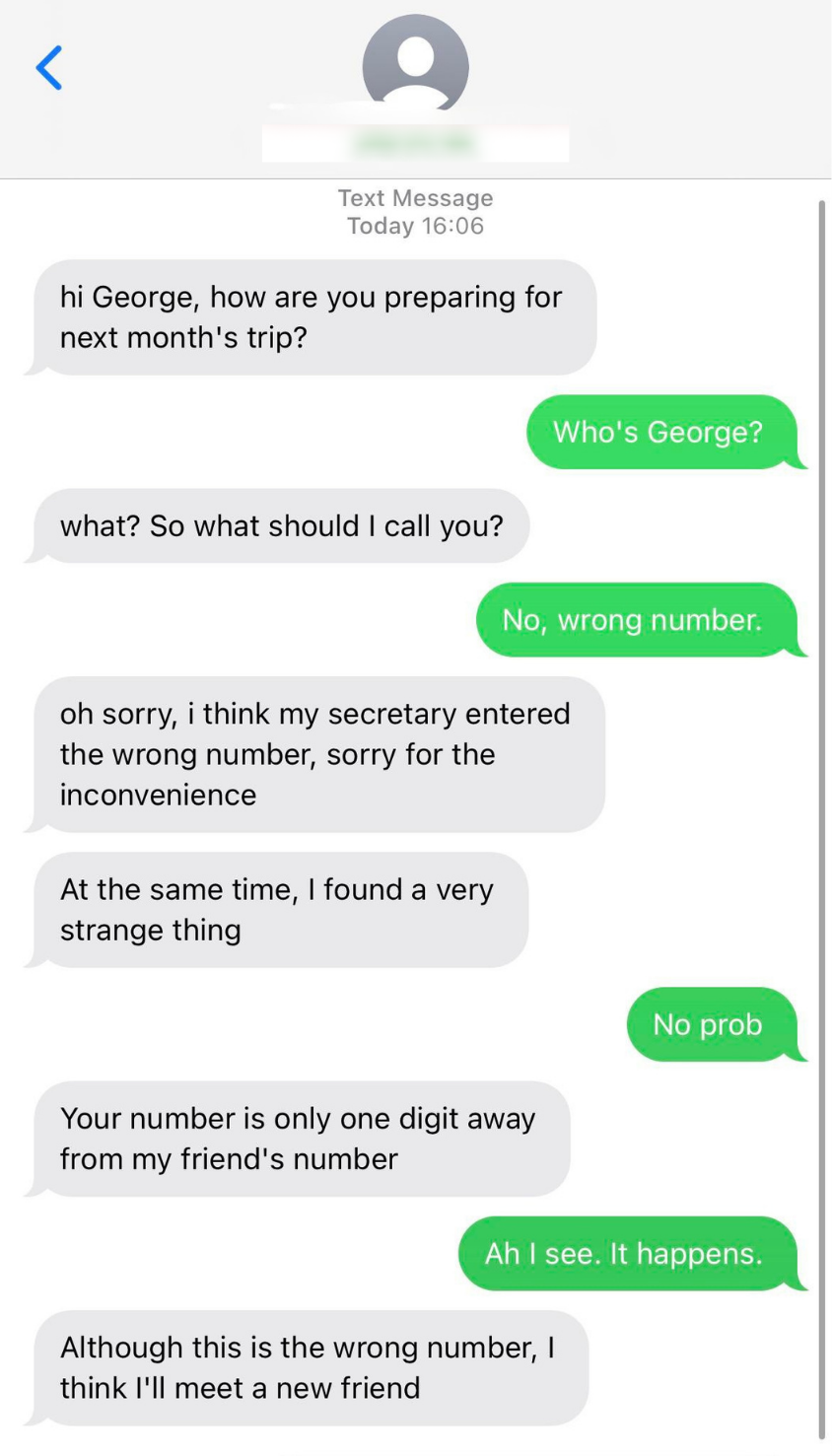
- Wrong number version: You receive a text that appears to be sent to the wrong person - a casual, friendly message. When you respond to correct the mistake, the person is warm and interesting. The "accident" was intentional.
- Dating app version: A highly attractive profile on a dating platform initiates contact. The relationship develops with unusual depth and speed before the investment topic emerges.
- LinkedIn or professional network version: A connection request from someone presenting as a successful business professional is followed by friendly professional conversation that eventually transitions to investment discussion.
- Social media direct message version: A message on Instagram or Facebook from someone claiming to have found your profile interesting leads to a friendship that eventually steers toward the fake platform.
- Accelerated version: Some operations compress the timeline significantly, moving from initial contact to investment introduction within days rather than weeks. These versions may sacrifice relationship depth for volume.
Example Scam Messages or Pop-Ups
The example below shows the typical progression of a pig butchering contact - from the initial friendly message through the gradual introduction of the investment platform.
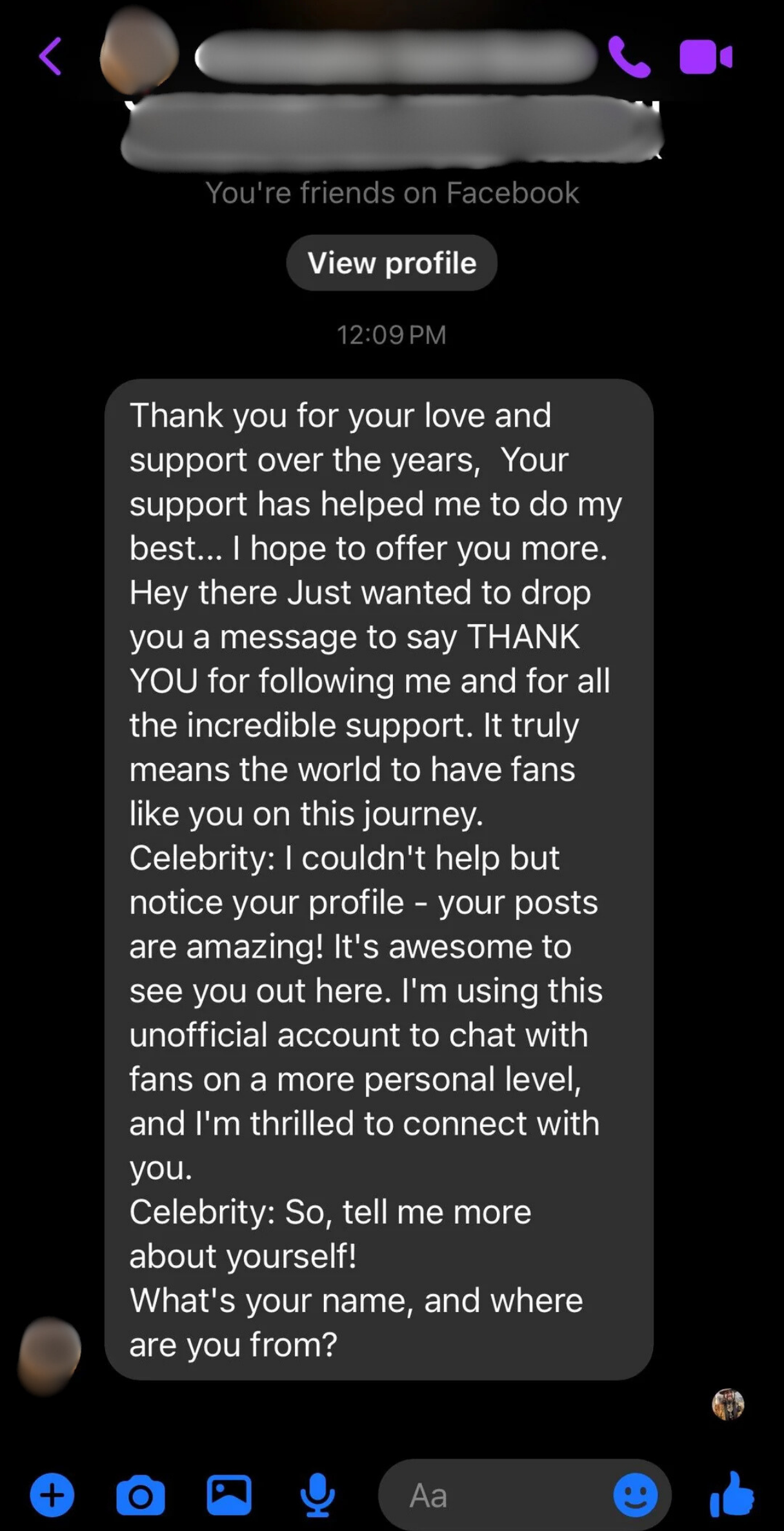
Notice how the investment topic is introduced gradually and casually - as a natural part of sharing the scammer's life rather than as a sales pitch. By the time the platform is mentioned, weeks of conversation have already built a foundation of trust. The initial invitation to "just try it with a small amount" is designed to feel like a friendly favor rather than a financial solicitation.
The conversation progression typically sounds like this: weeks of friendly daily messages about life, family, food, and shared interests - then: "I've actually been doing really well lately with a platform my uncle showed me. It's crypto trading but they have an algorithm that manages it for you. I made about $8,000 last month. I wasn't going to mention it but I think you'd be good at this." The investment pitch feels like a gift from a friend, not a scam.
Warning Signs
These patterns are consistent across pig butchering operations even when the specific personas and stories vary.
- The initial contact came from a stranger through an apparently accidental or casual interaction - a wrong number, an unsolicited message, a connection request from someone you have no mutual connections with.
- The person is unusually attentive, contacts you daily, and the relationship develops with unusual emotional depth and speed for someone you have never met in person.
- They mention cryptocurrency trading or investing as a personal success story rather than as a pitch - making it feel like information shared in friendship rather than a solicitation.
- They direct you to a specific platform you have never heard of, rather than a major established exchange. The platform looks professional but cannot be verified through independent sources.
- Your account on the platform shows impressive, consistent returns that bear no relationship to real market conditions.
- When you attempt a withdrawal of significant funds, fees are required, the account is "flagged," or the process is blocked entirely.
- The person you have been communicating with becomes less responsive or disappears entirely around the same time withdrawal problems emerge.
Who Scammers Often Target
Pig butchering scams target people who are socially open to new connections - people on dating platforms, those who are lonely or recently separated, and people who are active on social media and responsive to messages from strangers. The scam requires a victim who will engage with an unknown contact and sustain that engagement over time.
People with accessible savings are specifically valuable targets because the investment phase requires significant deposits to generate meaningful returns for the scammers. People approaching retirement, those who have recently received an inheritance, or those who have mentioned financial stability in their online presence are more likely to be targeted and more intensively cultivated.
These scams affect people across age groups but have been particularly effective against adults in their 30s through 60s who are active online and comfortable with digital communication but may not be familiar with the specific patterns of pig butchering fraud.
What the Scammer Is Trying to Achieve
The goal is to maximize the total amount deposited on the fraudulent platform before the victim either runs out of accessible funds or discovers the fraud. The extended relationship-building phase exists specifically to increase the amount the victim will ultimately be willing to invest - someone who trusts a person deeply will deposit far more than someone responding to a cold investment pitch.
These operations are run at scale, with individual operators managing multiple victims simultaneously using scripted playbooks. The time invested in each victim is calculated against the expected extraction - the larger the accessible financial reserves of the target, the more time the operator will invest in the relationship phase.
What To Do If You Encounter This Scam
If you suspect that a new online relationship may be building toward a pig butchering investment pitch, here is how to assess and protect yourself.
- Do a reverse image search on the person's profile photos. Pig butchering operations use stolen photos, and a search frequently reveals that the images belong to someone else entirely.
- If an investment platform is introduced, search its name along with "scam" and "withdrawal" before depositing anything. Fraudulent platforms generate consistent complaints from victims who could not withdraw their funds.
- Attempt a small withdrawal before depositing anything significant. A legitimate platform allows free access to your own money. Any obstacle reveals the fraud before major losses occur.
- Talk to someone you trust about the relationship and the investment opportunity. Describing the situation from the outside - to a friend, family member, or financial advisor - often makes the pattern clearer than it is when you are emotionally engaged.
- If you believe you have been targeted, report the contact to the FTC at ReportFraud.ftc.gov and to the FBI's Internet Crime Complaint Center at ic3.gov.
How To Prevent Pig Butchering Scams
Awareness of the specific pattern is the most powerful protection against pig butchering, because the scam depends on the victim not recognizing it until the investment phase is well advanced.
- Be cautious of unexpected contact from strangers - especially through wrong number texts, unsolicited social media messages, or unusually attractive profiles on dating platforms. These are common entry points.
- Never invest through a platform introduced by someone you met online, regardless of how long you have been communicating or how much you trust them. This rule alone prevents the financial harm of pig butchering.
- Reverse image search any new online contact's photos early in the interaction. This takes thirty seconds and immediately identifies stolen-photo profiles.
- Talk openly with family or trusted friends about new online relationships, particularly if the topic of investment comes up. Outside perspective is one of the most effective checks against this specific type of manipulation.
- Verify any investment platform through independent sources and test withdrawal before committing significant funds.
Final Safety Advice
Pig butchering is one of the most psychologically sophisticated forms of fraud because it targets human connection itself. The trust, warmth, and emotional investment that develop over weeks of daily conversation are real on the victim's side - even though none of it is real on the scammer's side. The grief that follows the discovery is genuine, and it compounds the financial loss in ways that are difficult to fully separate.
The protection that matters most is a single clear rule: never invest through a platform introduced by someone you met online. That rule does not require you to distrust everyone you meet - it simply recognizes that combining a new online relationship with a financial transaction through an unverified platform is a specific pattern that belongs to this specific fraud, and nothing else.
If you have been affected by pig butchering, please report it and please talk to someone about what happened. These operations are run by large criminal organizations that have defrauded thousands of people. Your experience is not unique, your response was human and understandable, and your report contributes to investigations that are actively working to disrupt these networks.