
Crypto Investment Scam
How fraudulent cryptocurrency platforms show you fake profits - then vanish with everything you deposited
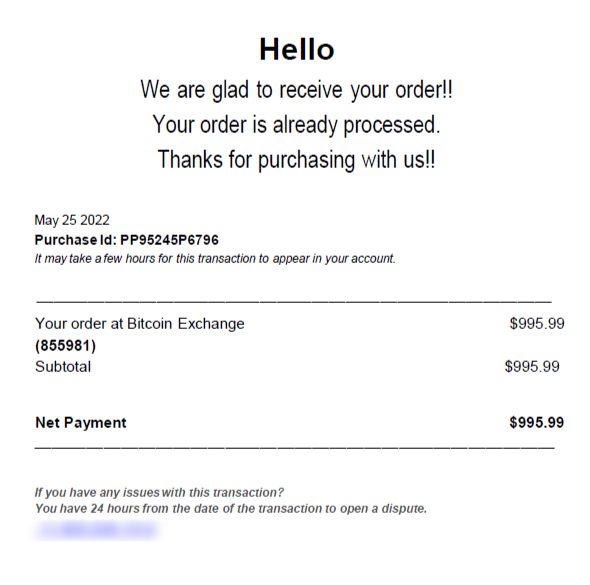
Fraudulent crypto investment platforms show victims impressive-looking account balances and profits - all fabricated. The scam reaches its conclusion when the victim tries to withdraw their money and discovers that nothing was ever real.
In This Guide
- Overview of the Scam
- How the Scam Works
- Common Variations
- Example Scam Messages or Pop-Ups
- Warning Signs
- Who Scammers Often Target
- What the Scammer Is Trying to Achieve
- What To Do If You Encounter This Scam
- If You Already Paid or Shared Information
- How To Prevent Crypto Investment Scams
- Final Safety Advice
Overview of the Scam
Cryptocurrency investment scams involve fraudulent platforms or individuals that convince victims to deposit funds into fake trading or investment accounts. The platform shows the victim impressive gains and a growing balance - all of which are fabricated numbers on a fake dashboard. When the victim eventually tries to withdraw their money, they discover the funds are inaccessible, additional fees are demanded, or the platform has simply disappeared.
These scams exploit both the genuine volatility of cryptocurrency markets and the widespread awareness that some early crypto investors made significant returns. The promise of high yields feels plausible in a market that has produced dramatic real-world gains - which makes it harder to dismiss the opportunity as too good to be true.
Crypto investment scams now represent one of the largest categories of fraud by total dollar loss. Because cryptocurrency transactions are largely irreversible and cross international borders easily, recovery is extremely difficult once funds have been transferred. Prevention is significantly more effective than recovery.
How the Scam Works
Crypto investment scams typically unfold over days, weeks, or even months before the victim realizes what has happened.
- Initial contact is made - through a social media message, a dating app, a text from an unknown number, or an online community - often by someone presenting themselves as a successful investor or financial professional. The contact builds rapport before any investment topic is raised.
- The person introduces the topic of cryptocurrency investment, sharing their own apparent success and offering to help the victim get started. They direct the victim to a specific platform - a website that looks professional, has a real-time price display, and appears fully functional.
- The victim makes an initial deposit, often small. The platform's dashboard shows the investment growing quickly - returns that look impressive and real. The victim may even be allowed to make a small withdrawal early on, which builds confidence that the platform is legitimate.
- The victim deposits larger amounts, encouraged by the apparent performance of the account and by continued contact with the person who introduced the platform. At some point the victim attempts a larger withdrawal.
- The withdrawal is blocked. The platform claims taxes must be paid first, a security deposit is required, a verification fee must be submitted, or the account has been flagged and needs to be "unlocked." Every fee paid results in a new fee being demanded. Eventually the platform becomes unresponsive or disappears entirely.
Common Variations
Crypto investment scams appear in several forms that differ primarily in how initial contact is established.
- Pig butchering scam: The most elaborate version, in which a scammer builds a weeks-long relationship - sometimes romantic - before introducing the investment platform. The extended trust-building phase makes victims much more likely to deposit large sums. This variation is covered in its own guide.
- Social media group scam: A scammer creates or infiltrates an investment discussion group on Facebook, Telegram, or WhatsApp, where they post apparent proof of trading success and invite members to join a platform. Other "members" in the group are often also scammer accounts endorsing the platform.
- Wrong number contact: You receive a text or message appearing to be sent to the wrong person. When you respond to correct the mistake, the person is friendly and eventually steers the conversation toward investment. This version is specifically designed to feel like a chance encounter rather than a solicitation.
- Rug pull: A new cryptocurrency token is promoted heavily, attracting buyers. Once the price has risen due to the influx of investment, the creators sell all of their holdings simultaneously, crashing the value to near zero while exiting with the investors' money.
- Fake trading signals: An account or service claims to offer expert cryptocurrency trading signals or automated trading robots with guaranteed returns. Subscribers pay for access and send funds for the robot to "trade" - but no real trading occurs and the money is kept by the operators.
Example Scam Messages or Pop-Ups
The example below shows what a fraudulent cryptocurrency investment platform's interface typically looks like, along with the kind of communication used to encourage continued deposits.

The platform interface looks professional - real-time price charts, a portfolio summary, transaction history, and a convincing dashboard. The numbers displayed are entirely fabricated and bear no relationship to any real market activity. The withdrawal process, when attempted, reveals the scam through a series of escalating fee demands that, once paid, are replaced by new fees until the victim runs out of accessible funds or recognizes the pattern.
Common communication from scam platform operators includes: "Your account has grown 340% this month - now is the time to reinvest for the next cycle," "To process your withdrawal of $47,000, you need to first pay a tax clearance fee of $4,700 - this is released back to you upon withdrawal approval," and "Your account has been flagged for security review. Submit $2,000 to unlock your balance and complete verification."
Warning Signs
These signals consistently indicate a cryptocurrency investment opportunity is fraudulent.
- The platform was introduced through an unsolicited message, a social media contact, or someone you met online rather than through a regulated financial institution or verifiable source.
- Returns are unusually high - consistent double-digit monthly gains, guaranteed profits, or performance that bears no relationship to real market conditions.
- The platform is not registered with any financial regulator. In the US, investment platforms must be registered with the SEC or CFTC. A platform with no verifiable regulatory registration is operating illegally regardless of whether it is a scam.
- When you attempt a withdrawal, you are told a fee must be paid first - taxes, security deposits, verification charges, or unlock fees. This pattern is the defining characteristic of crypto investment fraud.
- The person who introduced the platform is unusually enthusiastic about your continued investment and contacts you regularly to encourage larger deposits.
- You cannot find any independent reviews of the platform from verified sources. Searching the platform name followed by "review" or "scam" returns complaints or warnings rather than credible coverage.
- The platform has no physical address, no verifiable registration, and customer support that is either unresponsive or deflects all questions about withdrawals.
Who Scammers Often Target
Crypto investment scams target a broad range of people but are particularly effective against those who are aware of cryptocurrency as an asset class but do not have deep expertise in how to evaluate platforms or verify registrations. Someone who has heard about crypto gains but has never invested is a prime target - they have enough awareness to be interested but not enough experience to recognize the specific patterns of fraud.
People who are actively looking for investment opportunities - including those approaching retirement or recently retired who are trying to grow savings - are targeted heavily. The promise of above-average returns is more compelling when someone is focused on building a financial cushion.
People who are socially isolated or recently bereaved are frequently targeted for the relationship-first version of this scam, in which a connection is built before the investment is introduced.
What the Scammer Is Trying to Achieve
The goal is to maximize the total amount deposited before the victim either attempts a withdrawal or becomes suspicious. The fake dashboard is specifically designed to encourage continued deposits by showing impressive growth - each deposit is encouraged by the apparent success of the last one.
The withdrawal fee phase is a secondary extraction mechanism. Once a victim attempts to withdraw and is told a fee is required, some victims pay the fee hoping to finally access their balance. Each fee paid results in a new fee being demanded, extracting additional money while the platform continues to delay.
What To Do If You Encounter This Scam
If you are considering a cryptocurrency investment platform introduced through an online contact or social media, here is how to evaluate it safely.
- Search the platform's name along with "scam," "review," and "withdrawal" before depositing anything. Scam platforms consistently generate complaints from victims who could not withdraw their funds.
- Verify registration. In the US, search the platform name in the SEC's EDGAR database and the CFTC's registration database. An unregistered investment platform offering returns to US investors is operating illegally.
- Attempt a small withdrawal before depositing significant funds. On a legitimate platform, you can withdraw small amounts freely and quickly. Any obstacle, delay, or fee requirement at this stage tells you everything you need to know.
- Do not pay any "tax," "security," or "unlock" fee to access your balance. These fees do not unlock anything - they are simply additional money being taken from you. No legitimate platform requires fee payments as a precondition for withdrawals.
- Report the platform to the FTC at ReportFraud.ftc.gov, the SEC at sec.gov/tcr, and the FBI's Internet Crime Complaint Center at ic3.gov.
How To Prevent Crypto Investment Scams
These habits protect you from the most common forms of cryptocurrency investment fraud.
- Only use regulated, established cryptocurrency exchanges that are registered with US financial regulators and have verifiable track records. If you want to invest in crypto, start with platforms that have been publicly operating for years and have verifiable regulatory registrations.
- Never invest through a platform introduced by someone you met online, regardless of how credible they seem or how long you have been communicating. The relationship is often part of the setup.
- Test withdrawal before committing significant funds. This simple step exposes the fraud structure before substantial money is at risk.
- Treat guaranteed returns with the same skepticism as any other too-good-to-be-true claim. No investment offers guaranteed profits - legitimate or otherwise.
- Verify registration. A two-minute search of the SEC's and CFTC's registration databases tells you immediately whether a platform is legally operating in the US.
Final Safety Advice
Cryptocurrency investment scams are among the most financially devastating forms of fraud because they are designed to encourage maximum deposits before the deception is revealed. The fake dashboard, the impressive returns, and the encouraging contact from whoever introduced the platform are all part of a coordinated process designed to keep you depositing longer.
The withdrawal test - attempting to access a small amount before committing significant funds - is the most reliable and actionable protection available. On a real platform, this test is invisible: you withdraw, the money arrives, and you proceed with confidence. On a scam platform, this test reveals the fraud at the lowest possible cost.
If you have already been affected, please report the fraud and be alert to follow-on recovery scams. The people who have already lost money to crypto fraud are specifically targeted by a second wave of scammers claiming to be able to retrieve the funds for a fee. They cannot. Report the original fraud and focus on protecting what you still have.